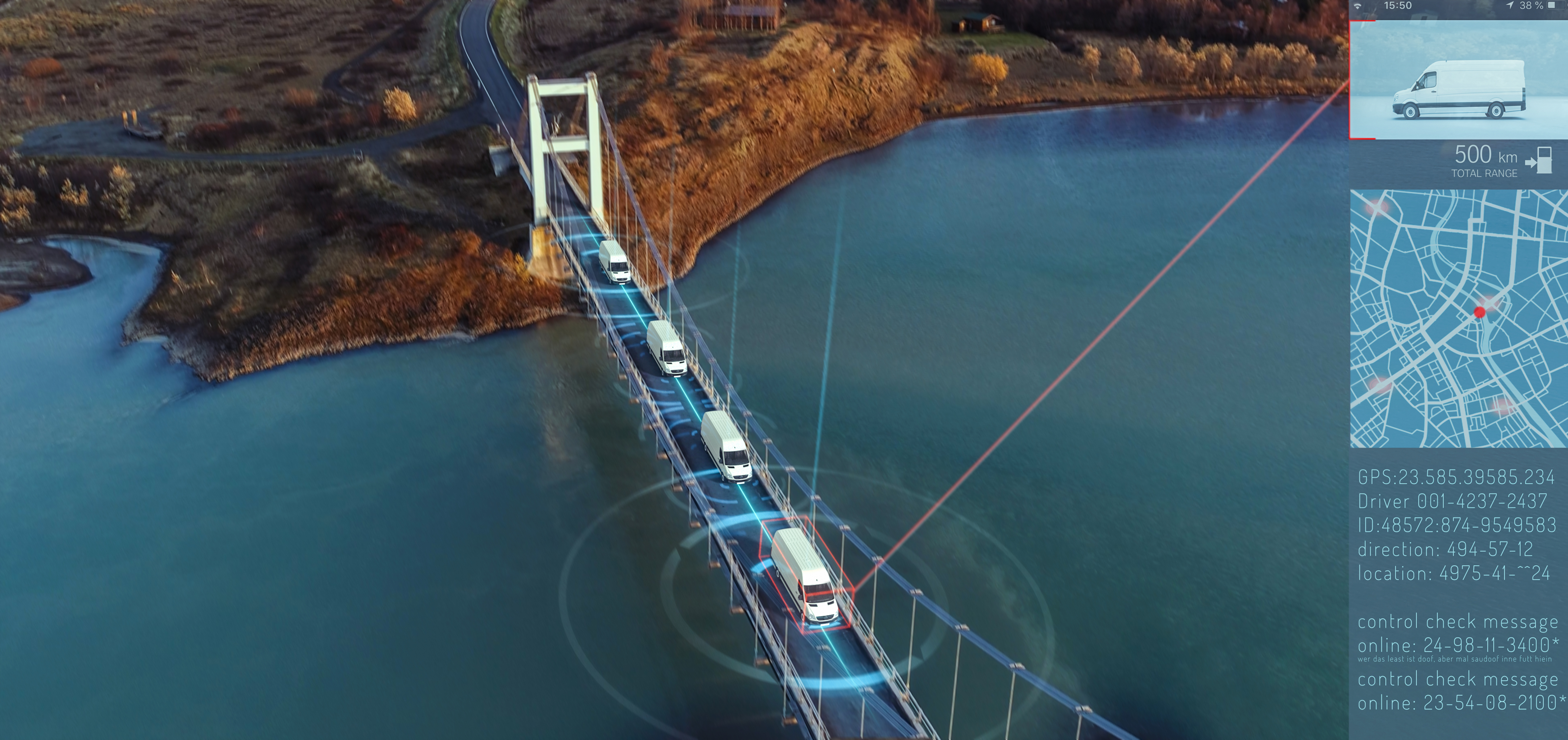
The fourth industrial revolution – known as Industry 4.0 – stands for the comprehensive digitalization and networking of production and logistics. IoT devices (Internet of Things) collect real-time data from the physical world, while modern communication networks transmit this data almost instantly. As the latest mobile communication standard, 5G provides the infrastructure needed to transport vast amounts of data with high speed and reliability. Together, 5G and IoT are driving forces behind Industry 4.0, paving the way for the smart factories of the future.

5G Takes the Internet of Things to the Next Level
Unlike previous generations of mobile networks, 5G was purpose-built to connect not just people, but also machines, sensors, and vehicles. It brings several key benefits to industrial IoT:
- Extremely high data rates: 5G can reach speeds of up to 10 Gbps, far surpassing LTE/4G. This makes it possible to transmit high-resolution sensor data or video streams without delay.
- Minimal latency: With 5G, latency can drop below 10 milliseconds, and in some cases even reach around 1 millisecond. This near-instant communication is essential for applications like real-time control of robots or autonomous vehicles.
- High reliability: 5G networks offer availability of up to 99.999%, approaching the stability of wired connections – a must for industrial environments where downtime is not an option.
- Massive device density: 5G supports a huge number of devices simultaneously – up to one million IoT devices per square kilometer, enabling seamless communication among sensors, machines, and vehicles in smart factories.
These features allow 5G to support entirely new IoT architectures. In combination with edge computing, large data volumes can be processed directly on-site, without needing to be sent to distant data centers. This further reduces latency and eases the load on broader networks, enabling the full potential of IoT in industrial environments.
New Opportunities in the Connected Factory
With 5G and IoT available, a wide range of new applications become feasible in industrial practice, such as:
- Predictive maintenance: Connected sensors monitor machine conditions continuously. Thanks to 5G, this data can be sent in real time to central analytics platforms or AI systems. This enables companies to predict maintenance needs and reduce downtime.
- Autonomous transport robots and vehicles: Driverless transport systems (AGVs) and mobile robots rely on low-latency, stable communication. 5G allows them to communicate reliably with each other and with infrastructure, improving safety and efficiency in material flow.
- Real-time process control: Production systems equipped with wireless 5G IoT sensors and actuators can be monitored and adjusted in real time. Any process changes are detected immediately, triggering automatic responses. This boosts manufacturing flexibility, such as enabling fast machine reconfiguration for new products.
- Remote monitoring and AR support: Experts can monitor machines remotely or assist with maintenance using 5G. Applications like augmented reality (AR) require high bandwidth and low latency for smooth, synchronized delivery of live video or 3D holograms. 5G makes new remote support concepts possible.
5G and IoT together form the backbone of intelligent, connected industry. They enable a deeper integration of machines, data, and workflows than ever before – making the vision of a fully connected Industry 4.0 a reality. Early adopters of 5G and IoT gain significant competitive advantages through greater efficiency, less downtime, and new business models.
Telic AG is your reliable partner on this journey. From 5G-ready IoT hardware to tailored IoT implementation, Telic offers the expertise you need to successfully launch your Industry 4.0 projects. Feel free to get in touch to learn how 5G and IoT can elevate your production.
Get in touch with us!
Interested in our solutions? Use our contact form!