IoT technologies play a key role in environmental monitoring and climate protection. They provide precise real-time data on air quality, temperature, precipitation, or humidity—essential for smart decision-making in urban planning, disaster management, and resource management.

What is being measured?
IoT sensors and weather stations record, among other things:
- CO₂ levels, particulate matter, ozone concentration
- Temperature, humidity, precipitation
- Wind speed, movement, vibration
The data is transmitted energy-efficiently via cellular networks or LPWAN, stored, processed, and visualized on data management platforms.
Typical application areas
- Urban planning: Identification of heat islands, planning of green spaces
- Irrigation control: Only when and where needed
- Building management: Optimization of heating, ventilation, and air conditioning
- Early warning systems: For example, in cases of flooding, drought, or wildfire risk
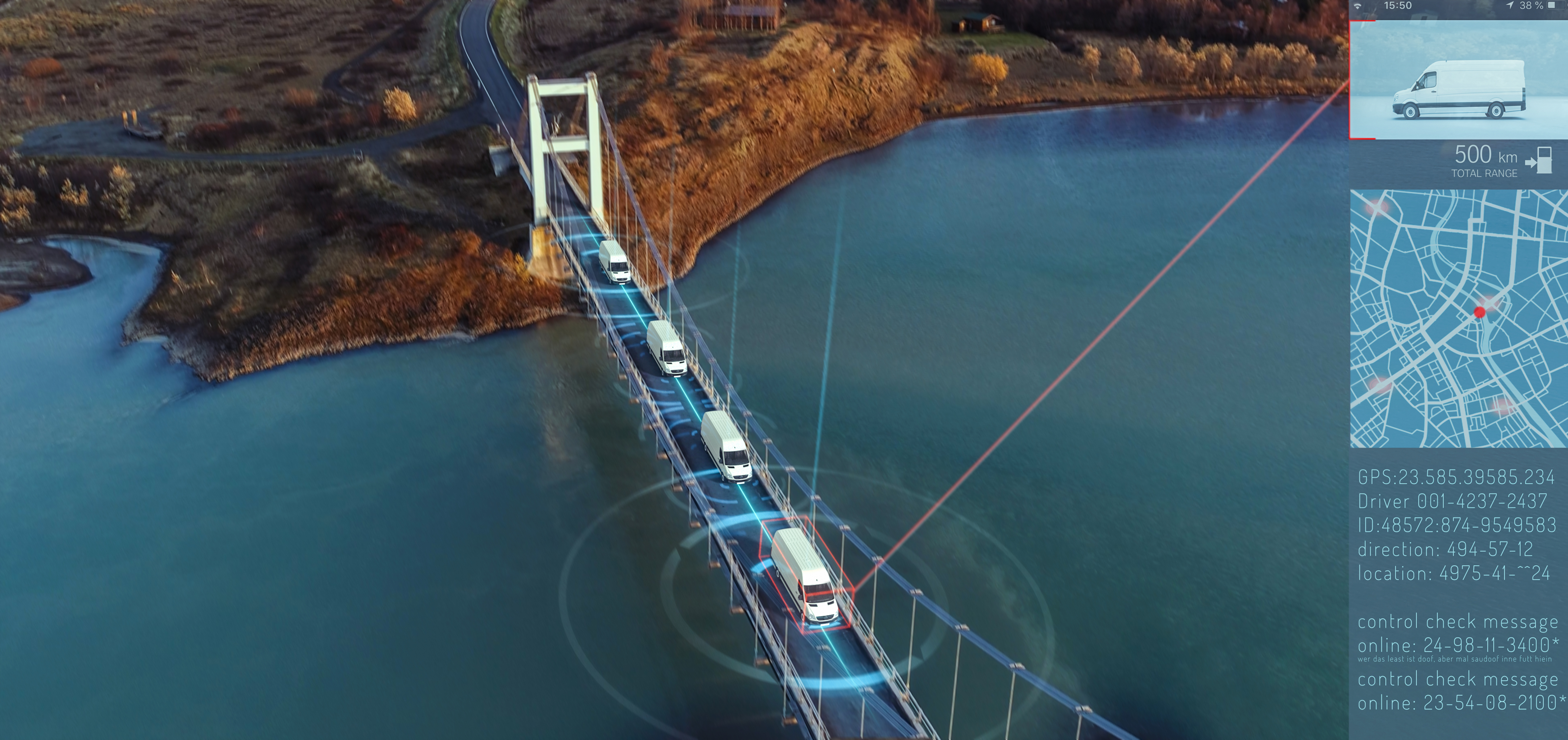
- Transport & logistics: Environment-dependent control of fleets and parking search
Climate protection through data
IoT helps identify and reduce environmental impacts.
According to the World Economic Forum, more than 80% of IoT applications contribute to achieving sustainability goals.
Telic as a solution partner
Telic AG provides robust IoT devices for monitoring, even in remote regions:
- Telic Solar: Solar-powered, maintenance-free, IP69 housing
- Bluetooth directional antenna for connecting external sensors
- Optimized energy management for years of operation
- Compatible with platforms for environmental and climate data
Conclusion
IoT solutions create transparency, encourage citizen participation, and improve climate protection measures.
They are a crucial building block for resilient and sustainable cities.